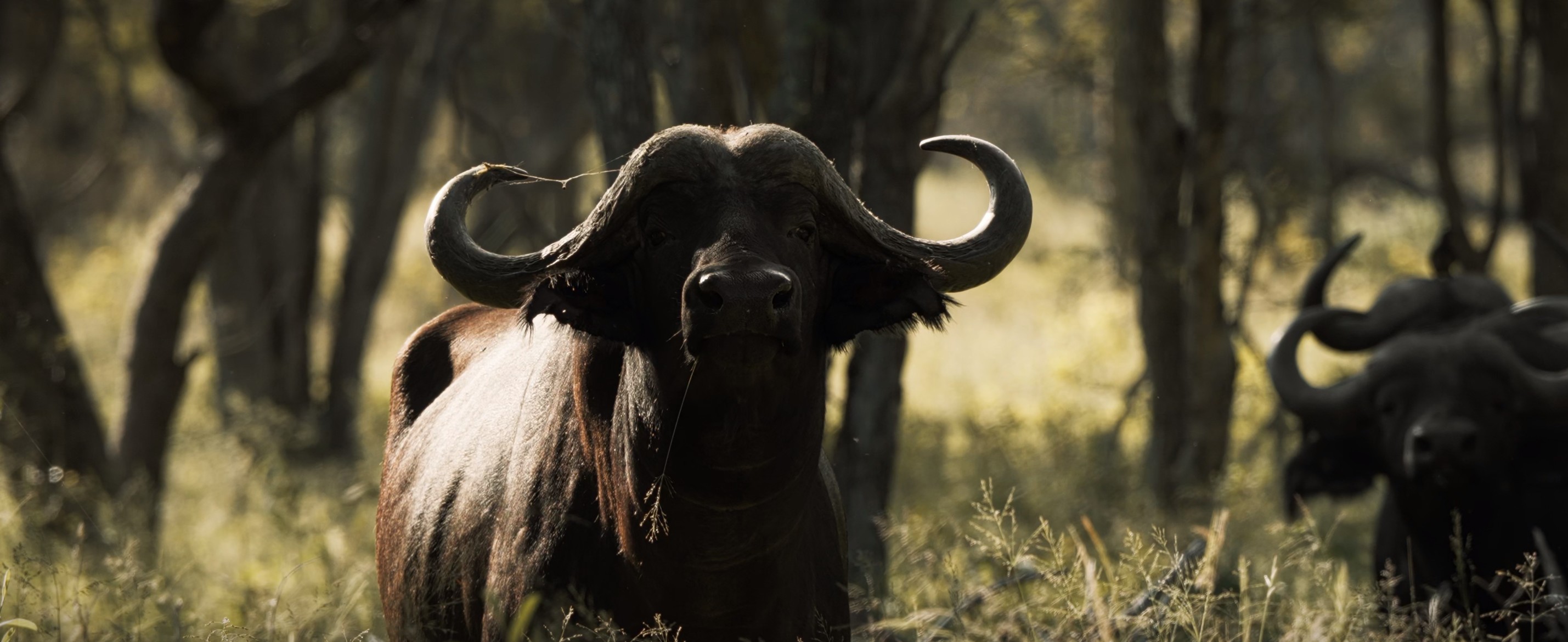
Engineering Desire A Behavioural Case Study on African X Safaris
A1 Studios
Subject: High Ticket Price Anchoring via Psychological Intervention
Introduction Redefining the Luxury Proposition
In the highly saturated market of luxury travel, traditional destination marketing often falls flat. Consumers at this tier are not purchasing a transactional experience: a bed to sleep in, a meal to eat, or a vehicle to ride in. They are purchasing a shift in their own identity and mental state. The brand film we produced for African X Safaris serves as a masterclass in bypassing rational decision making to sell a highly desirable psychological intervention. By meticulously engineering every visual, auditory, and narrative element, we created a film that effectively acts as a high ticket price anchoring tool, transforming the concept of a safari from a discretionary vacation into a necessary mental and emotional reset.
The Narrative Arc Hijacking Maslows Hierarchy
The structural foundation of our film relies on a carefully calibrated narrative arc that maps directly onto the target demographics psychological needs, moving fluidly up Maslows Hierarchy. We began by establishing a sense of deep solitude. Subjects are depicted in morning isolation waking up, gazing out of windows, or performing solitary activities like yoga. This deliberate choice mirrors the starting state of our ideal consumer: cognitively fatigued and seeking an escape from the relentless noise of modern, digitally driven lives.
As the narrative progresses chronologically through a single day, we shifted the human presence from isolated reflection to shared awe during the midday game drive, culminating in an evening of communal intimacy around a fire pit. This progression is deeply strategic for us. It promises that the ultimate reward of the African X Safaris experience is not merely observing wildlife, but achieving authentic, grounded human connection facilitated by the raw environment.
Sensory Engineering The Power of Contrast and Silence
To amplify this psychological journey, we employed acute sensory engineering throughout the production, most notably through the absolute absence of a traditional voiceover. By stripping away spoken narrative or personification attempting to speak for the African continent, we forced the viewer to internalise the visuals directly. We instead delegated the emotional heavy lifting to our sound design and music, a driving, vocal heavy elemental chant that builds in intensity, serving as the visceral heartbeat of the piece.
Visually, our film leverages the Contrast Principle to establish the duality of the offering. We deeply saturated the exterior shots of the savannah with warm ambers, ochres, and earthy greens, immersing the viewer in the wild. In stark contrast, our interior shots of the lodge feature cooler, cleaner tones and crisp white linens. This visual dichotomy subconsciously assures the viewer that while the environment is rugged and untamed, the lodge itself remains a pristine, controlled sanctuary. Actions we deliberately included like pouring a glass of whisky or sinking into a hot shower emphasise immediate gratification, signalling that premium physical comfort is never compromised by the thrill of the wild.
Neurochemistry Calibrating the Viewers Internal State
Beyond aesthetics, we calibrated the pacing, cuts, and specific actions performed within the frame to trigger a precise sequence of neurochemical responses. We opened the film with long, sweeping shots and slow motion sequences that naturally lower the viewers heart rate, facilitating cortisol regulation. This visual expanse physically relaxes the viewer, preparing them for the brands messaging, a direct application of Attention Restoration Theory, which posits that exposure to natural environments replenishes depleted cognitive resources.
The pacing then accelerates during the kinetic middle. Our quick cuts of running wildlife and moving vehicles mimic the ancestral thrill of the hunt, spiking dopamine levels to keep the viewer engaged and craving the next visual reveal.
Finally, we tapered the film into an evening sequence characterised by prolonged eye contact, shared laughter, and physical touch. We chose these specific actions to trigger mirror neurons in the viewer, releasing oxytocin, the neurochemical responsible for trust and social bonding.
Conclusion
By leaving the viewer with a lingering, concentrated dose of human connection and security, our film creates a highly persuasive psychological loop. We did not simply capture beautiful footage of a game reserve; we crafted a targeted behavioural tool. Our African X Safaris brand film successfully demonstrates how integrating neurochemical principles and behavioural psychology into commercial directing can elevate a brand, justify premium positioning, and drive deep consumer demand by promising the ultimate luxury: a profound and lasting psychological transformation.