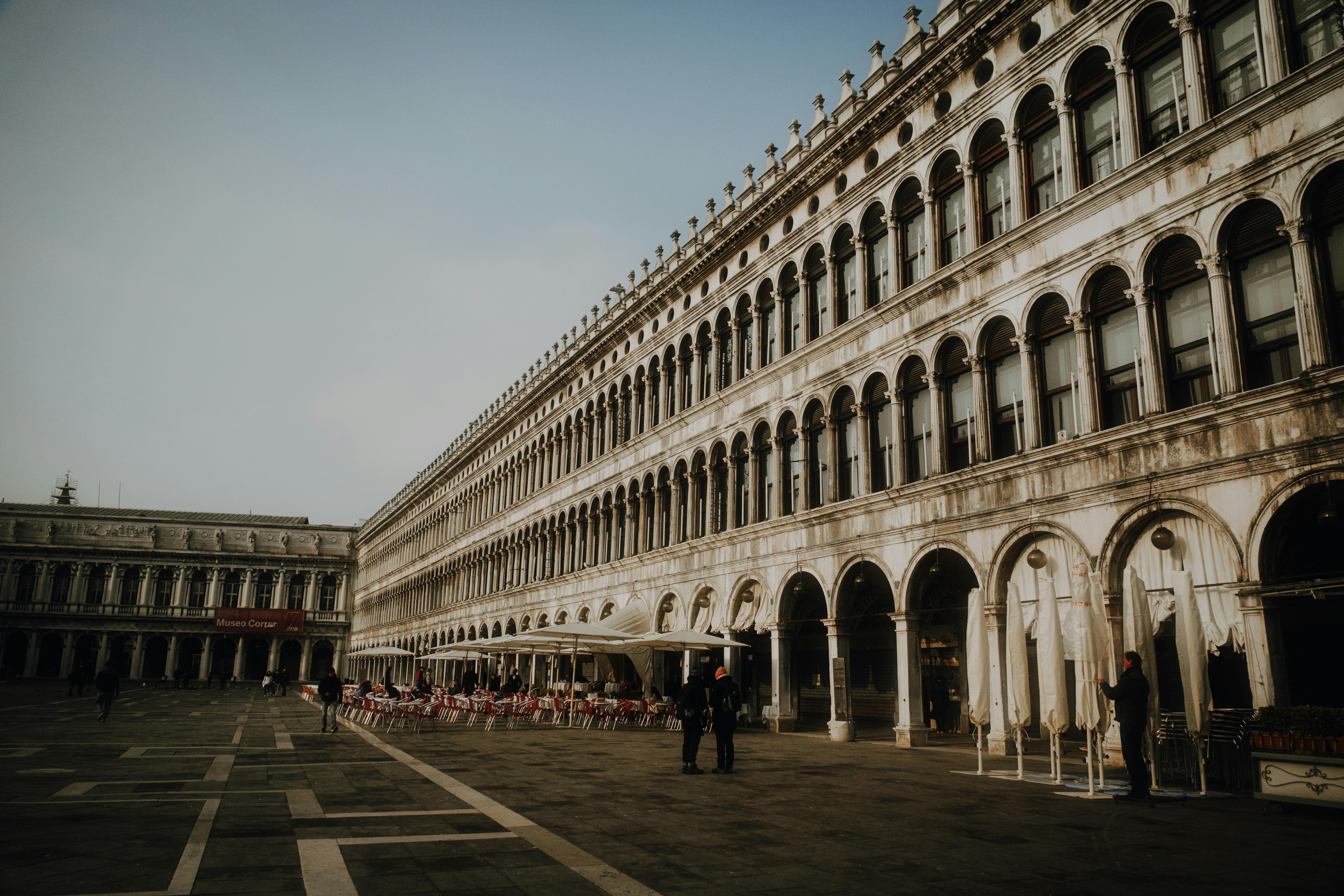
In an era where 4K drone footage is as common as a passport stamp, the visual currency of the tourism industry has hyper-inflated. A sprawling aerial shot of an untouched coastline or a slow-motion pan across a luxury suite no longer commands attention; it is merely the baseline of participation. The modern traveller, numb to an endless scroll of visual highlight reels, is searching for something more visceral. They are searching for the feeling of a place.
To evoke that feeling, we must zoom in on the most chronically undervalued, yet fundamentally crucial, element of modern marketing: sound design.
Consider the alternative. The industry standard has long been the boring corporate advertisement—a disjointed montage of perfectly posed guests plastered over a generic, royalty-free acoustic track or a breathless electronic beat. It is a formula that aggressively flattens the world. It dictates to the viewer exactly how they should feel, rather than constructing an environment that allows them to actually feel it. The result is a loud, forgettable piece of media that fails to separate one luxury resort or safari lodge from the next.
True cinematic storytelling, native to the film industry, operates on an entirely different frequency. It understands that auditory world-building is what anchors the viewer's emotional reality. When a film cuts to a sweeping savannah, it isn’t just the golden hour lighting that captivates the audience; it is the specific, isolated rustle of dry grass, the distant, low-frequency rumble of a vehicle, and the spatial awareness of the wind.
Sound creates the third dimension.
Bridging the gap between a sterile corporate advertisement and a moving, cinematic narrative requires abandoning the stock music crutch. Intentional sound design acts as a psychological anchor. It bypasses the analytical mind and taps directly into anticipation and memory. The sharp crunch of tyres on a gravel driveway, the specific acoustic echo of a historic hotel lobby, or the localised crackle of a campfire—these are not just background noises. They are narrative tools. They confirm the authenticity of the visual.
When a video relies solely on a dominant music track, it creates a psychological distance; it feels like watching a commercial. When a video meticulously layers ambient, location-specific audio, the screen dissolves; it feels like standing in the room.
Ultimately, travellers are not buying amenities; they are buying an atmosphere. At A1 Studios, our philosophy is built around treating this auditory architecture not as an afterthought in post-production, but as the foundational layer of narrative-driven aesthetics. It is the defining difference between showing a prospective guest a destination and actually transporting them there.
As the industry continues to evolve, the conversation must expand beyond visual fidelity. For destinations ready to leave the corporate tropes behind and author a richer, more resonant story, it is time to stop just looking at the landscape, and start listening to it.